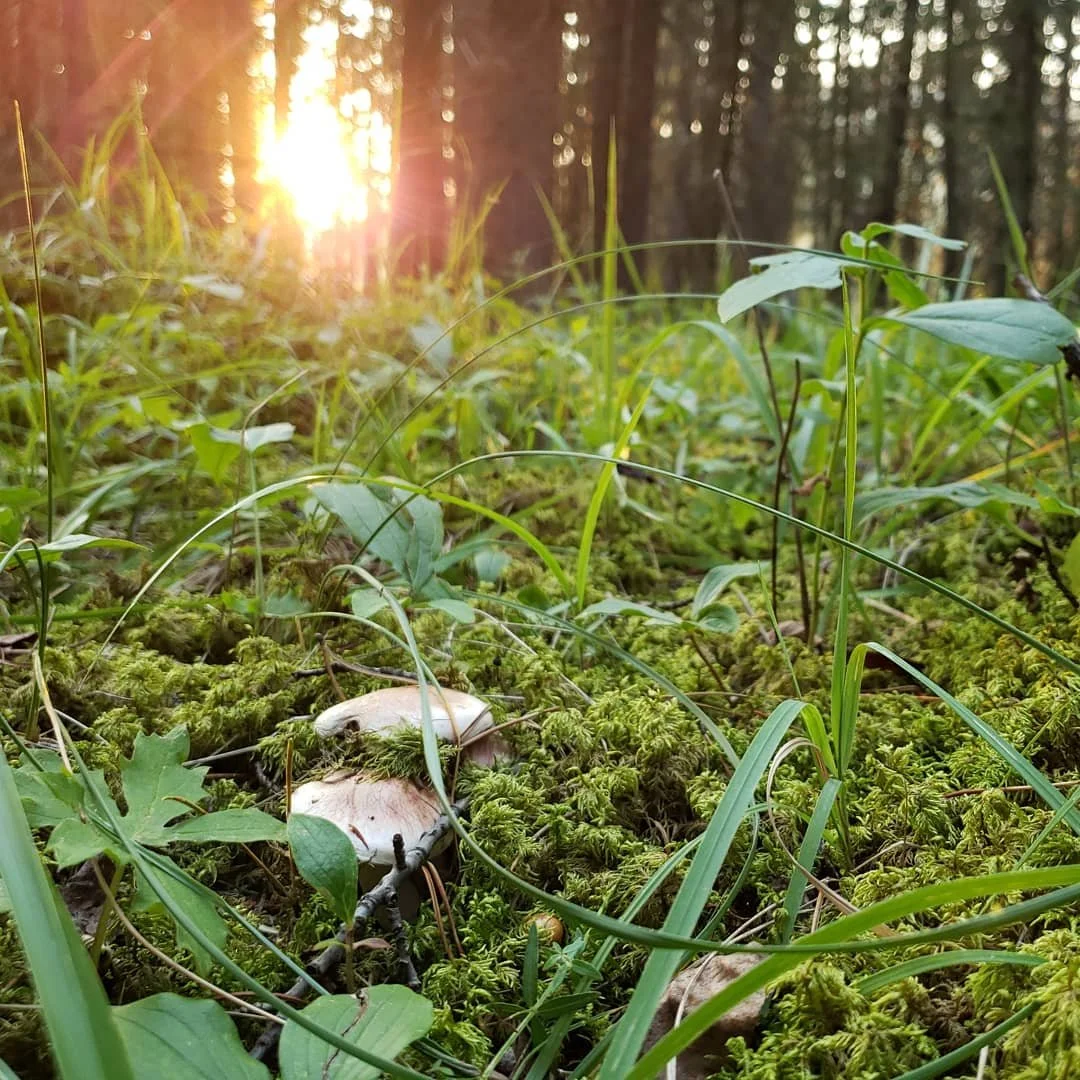
Land care, not lawn care.
One of the largest threats to wildlife in Canada is habitat destruction. Southern Ontario used to be covered in Carolinian forest that stretched from the Carolinas in America towards Toronto, but post-colonization has fragmented the environment into pockets. The Carolinian Forest is now one of the rarest and most impacted biomes in Canada. Landowners and rightsholders have the opportunity to make changes to these severely impacted biomes through small projects on their land.
Restoration works to take struggling ecosystems and transform them over time to a self-sustaining habitat that requires minimal intervention. The overall goal of restoration is to build resilient landscapes. Examples of restoration include transitioning agricultural fields to natural habitat, small patches of grass in front yards creating micro-habitats, and restoring areas around riparian zones to take pressure off aquatic habitats downhill. Think of environmental restoration at your house as land care, not lawn care.
Killing your lawn will pay dividends in your time back on the weekends and carbon emissions, while providing habitat for native species that are struggling. My approach is grounded in Western ecological knowledge paired with certain elements from permaculture.
Modern landscaping and horticulture are separate from environmental education work and land management. Horticulture selects species for beauty without considering the impact of that species if it escapes yards. Landscapers function in pockets of land and liberally use herbicides and gas powered machinery to control anthropogenic landscapes that have zero value.
No site is too small to start the conversation about the restoration of the land. If you are sick of managing a greenspace (including a lawn or grass patch at your home or office), want to get rid of invasive species on your property, or make more space for native species, please reach out!
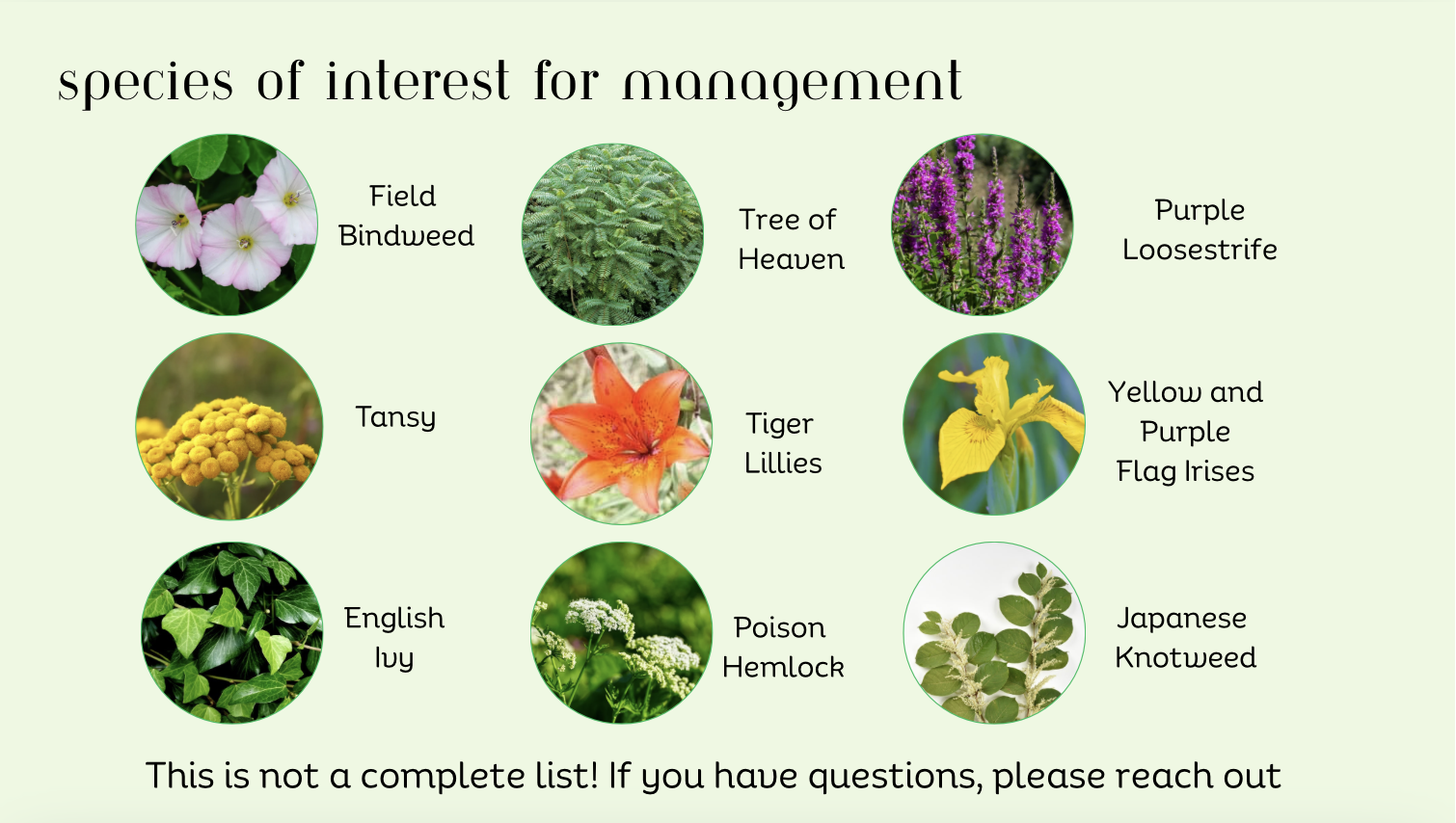
What restoration is:
One of the final steps in a progressive land management project.
Monitored and carefully cared for spaces that increase native biodiversity while reducing the amount of invasive species over time
Careful and mindful herbicide application, with alternatives used first to manage problem sites
What restoration isn’t:
Letting a space go - no management and letting whatever pops up, including invasive species
No consideration for surrounding properties or impacts to nearby riparian areas
Liberal use of herbicide
Food production - could be tied in, depending on the design
A rapid return to a naturalized state that requires no upkeep or care